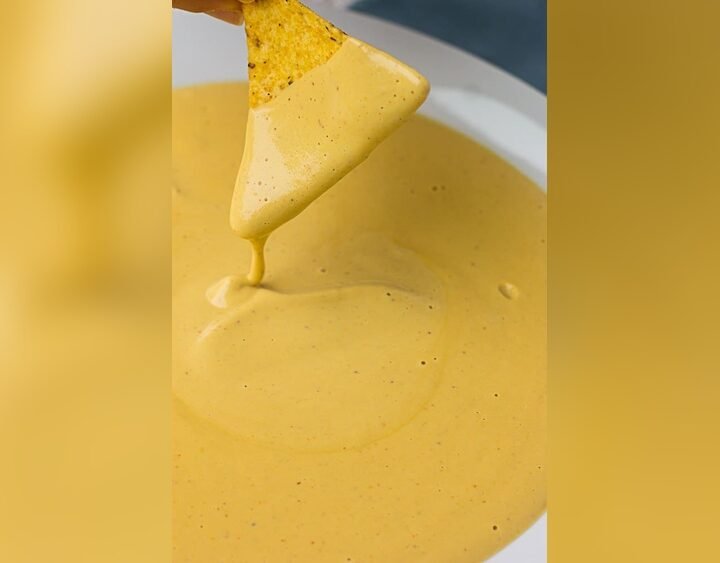
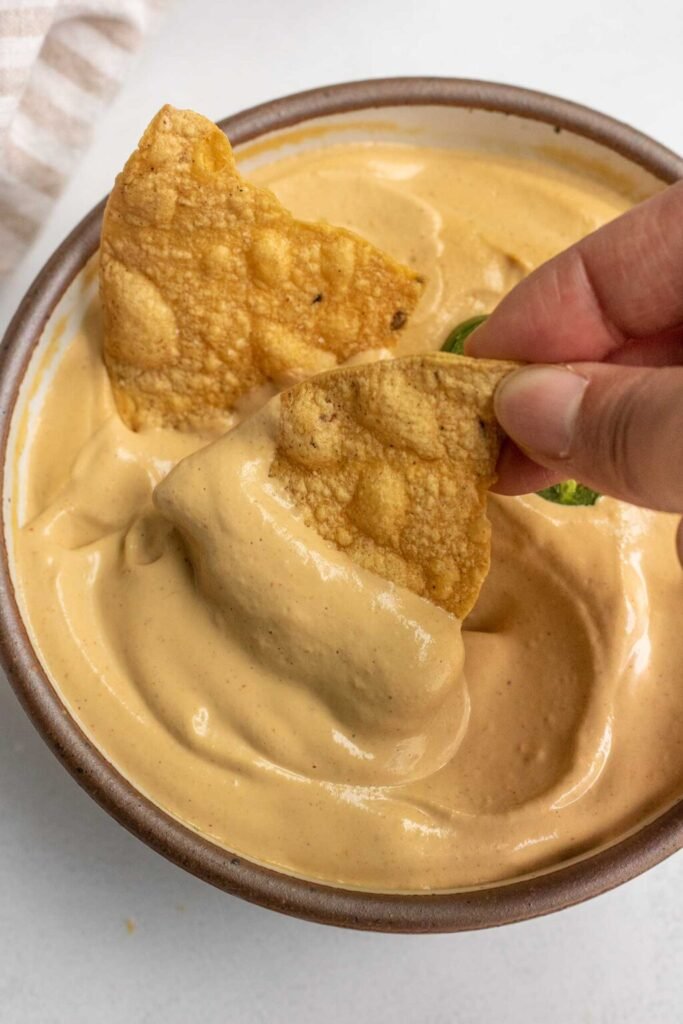
When I first started eating more plant-based foods, I missed a lot of things—pizza, creamy sauces, and especially nachos. The one thing that seemed impossible to replace was the cheese sauce. I tried store-bought vegan cheeses, but they were either too expensive, tasted artificial, or didn’t melt the way I hoped. That’s when I stumbled upon the magic of cashew cheese sauce. It was a total game changer. The first time I blended up a batch, I couldn’t believe how close it came to the rich, silky nacho cheese I remembered—without any dairy.
If you want a vegan nacho cheese sauce that’s easy to make, full of flavor, and actually creamy, you’re in the right place. I’m sharing everything I’ve learned through trial, error, and a lot of taste-testing. Whether you’re new to plant-based eating or just want a healthier nacho option, this recipe delivers all the comfort and flavor you crave.
If you love Nacho Cheese Sauce Recipe, try to our Eel Sauce, Broccoli Salad, Black Bean Soup, Black Bean Salad, Cucumber Salad, and Red Lentil Dahl.
Why You’ll Love This Cashew Cheese Sauce
- Bursting with flavor. You will enjoy a ton of umami-rich flavor from a mix of nutritional yeast, green chilies and spices.
- Simple to modify. Got a nut allergy? This sauce is easily modified to become completely nut-free.
- Packed with nourishing ingredients. This sauce uses pure whole food ingredients, zero plant-based cheese alternatives are needed for this tasty sauce.
Why Cashew Cheese Sauce Is A Nacho Essential
Most people think of nacho cheese as a guilty pleasure. The bright orange stuff at movie theaters and sports games is iconic, but also loaded with processed ingredients. When I switched to a vegan diet, I wanted something that felt just as indulgent but didn’t leave me feeling heavy or bloated.
Cashews are naturally creamy and mild, which makes them perfect for creating a smooth, cheese-like sauce. With the right mix of spices, you get that classic nacho flavor—without any dairy, gluten, or weird additives.
A big bonus is that homemade cashew cheese sauce is simple to customize. You control the salt, spice, and thickness. It’s allergy-friendly and gluten-free, too, which means everyone at the party can dig in.
My Go-to Nacho Cashew Cheese Sauce Recipe
I’ve made this sauce dozens of times for friends, family, and even skeptical cheese lovers. It’s never failed me. Here’s what you’ll need:
Ingredients
- 1 cup raw cashews (soaked for 2–4 hours, or boiled 10 minutes for speed)
- 1 cup water (plus more for blending if needed)
- 1/4 cup nutritional yeast
- 2 tablespoons fresh lemon juice
- 1 tablespoon olive oil (optional, for extra richness)
- 1 teaspoon garlic powder
- 1 teaspoon onion powder
- 1/2 teaspoon smoked paprika
- 1/2 teaspoon ground turmeric (for color)
- 1 teaspoon salt (adjust to taste)
- 1/2 teaspoon chili powder or chipotle powder
- 1 teaspoon apple cider vinegar
- 1 teaspoon mustard (yellow or Dijon)
- 1/2 teaspoon cumin (optional, for a Tex-Mex flavor)
- 1/4 teaspoon cayenne pepper (optional, for heat)
These are the basics. You can easily double the recipe for a bigger batch.
How To Make It
- Soak the cashews. This softens them and helps the sauce get extra smooth. If you’re in a hurry, boil them for 10 minutes instead of soaking.
- Drain and rinse the cashews.
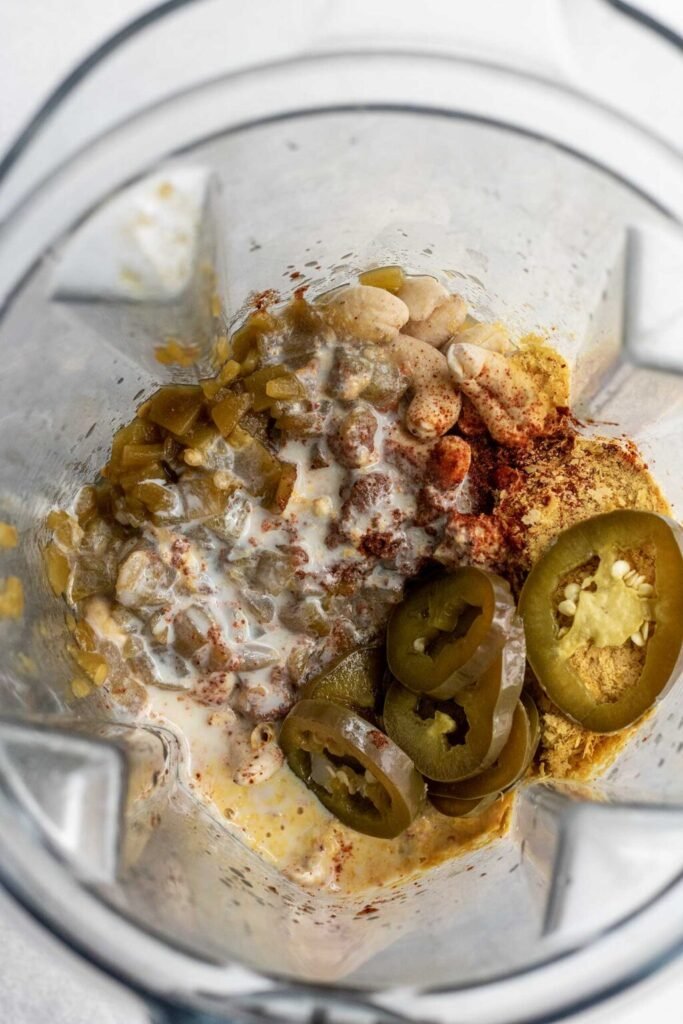
- Add all ingredients to a high-speed blender. I use a basic blender, and it works fine—just takes a little longer.
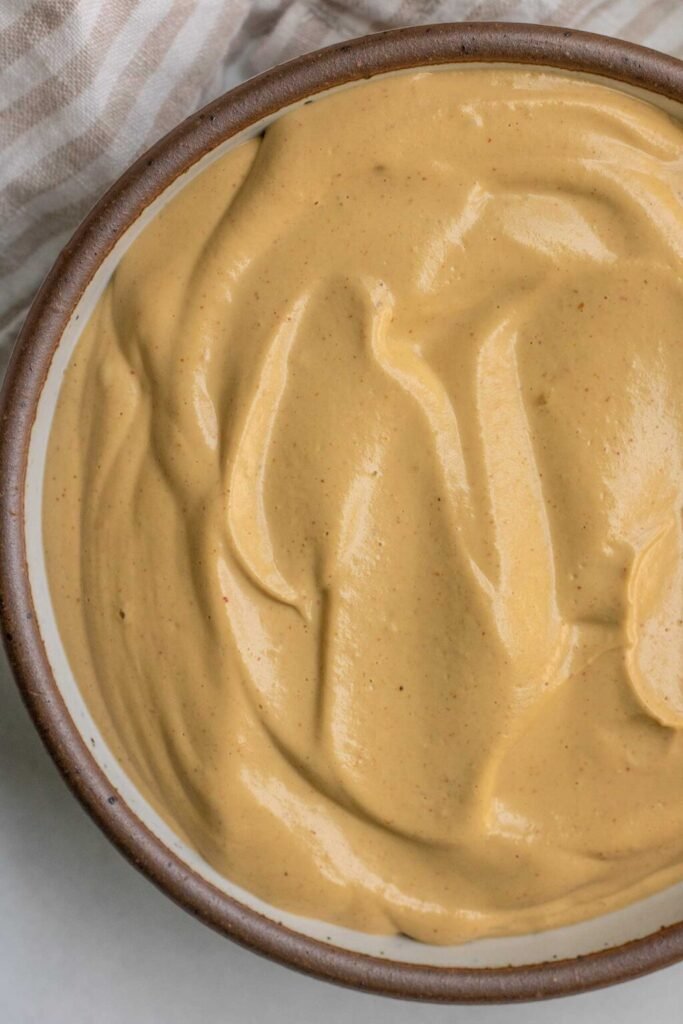
- Blend on high until completely smooth. Scrape down the sides as needed. The sauce should look creamy, with no chunks.
- Taste and adjust. Add more salt, lemon juice, or chili powder if you want more flavor.
- Pour into a saucepan and heat over medium-low, stirring, until thickened (about 5 minutes). This step helps the sauce develop a stretchy, melty texture.
- Serve hot over nachos, tacos, or anything you like.
Yield, Prep, And Storage
- Time: 15 minutes active (plus soaking)
- Servings: About 2 cups, enough for a big batch of nachos
- Store: In a sealed container in the fridge for up to 5 days. Reheat with a splash of water.
Why This Recipe Works
A lot of vegan cheese sauces are either too thin or taste like nuts. This one works because the nutritional yeast brings a real cheesy umami flavor, while the lemon juice and vinegar add tang—like real cheddar. The smoked paprika and turmeric give color and depth.
Heating the sauce after blending is my secret weapon. It thickens up, just like a classic nacho cheese, and the flavor gets richer. If you skip this, the sauce is still tasty, but you’ll miss that real nacho vibe.
Customizing Your Cashew Cheese Sauce
The best part about making this sauce at home is how flexible it is. I’ve changed it up dozens of times, depending on what I have in the pantry.
Swaps And Add-ins
- No cashews? Raw blanched almonds or sunflower seeds can work, but the texture will be slightly grainier.
- Spicy or mild: Adjust chili powder or add jalapeños for extra heat.
- Extra tang: Add more lemon or a splash of pickle juice.
- Herbs: Stir in chopped cilantro or green onions for freshness.
Texture Adjustments
If you want a stretchy cheese for pizza, add 2 tablespoons tapioca starch to the blender, then heat as usual. The sauce gets stringy, almost like mozzarella.
For a thinner drizzle, add more water or non-dairy milk until you get the right consistency.
Nutritional Tweaks
If you’re watching fat, you can skip the oil. If you want more protein, add a tablespoon of white miso paste—it adds depth and a little extra nutrition.
Comparing Cashew Cheese Sauce To Other Vegan Options
I’ve tried almost every vegan cheese out there—store-bought shreds, potato-carrot sauces, even coconut-based ones. Here’s how my homemade version stacks up.
| Type | Main Ingredients | Texture | Flavor | Cost |
|---|---|---|---|---|
| Cashew Cheese Sauce | Cashews, nutritional yeast | Creamy, rich | Cheesy, tangy | Medium |
| Potato-Carrot Sauce | Potatoes, carrots, oil | Smooth, lighter | Mild, slightly sweet | Low |
| Store-Bought Vegan Cheese | Oils, starches | Varies (often rubbery) | Processed, sometimes artificial | High |
| Coconut-Based Sauce | Coconut milk, starch | Thick, sometimes oily | Coconut flavor, less cheesy | Medium |
In my experience, cashew cheese sauce is the best all-around. It’s creamy, cheesy, and feels real—not fake or plasticky.
How To Serve Nacho Cashew Cheese Sauce
This sauce is incredibly versatile. Here are some ways I use it:
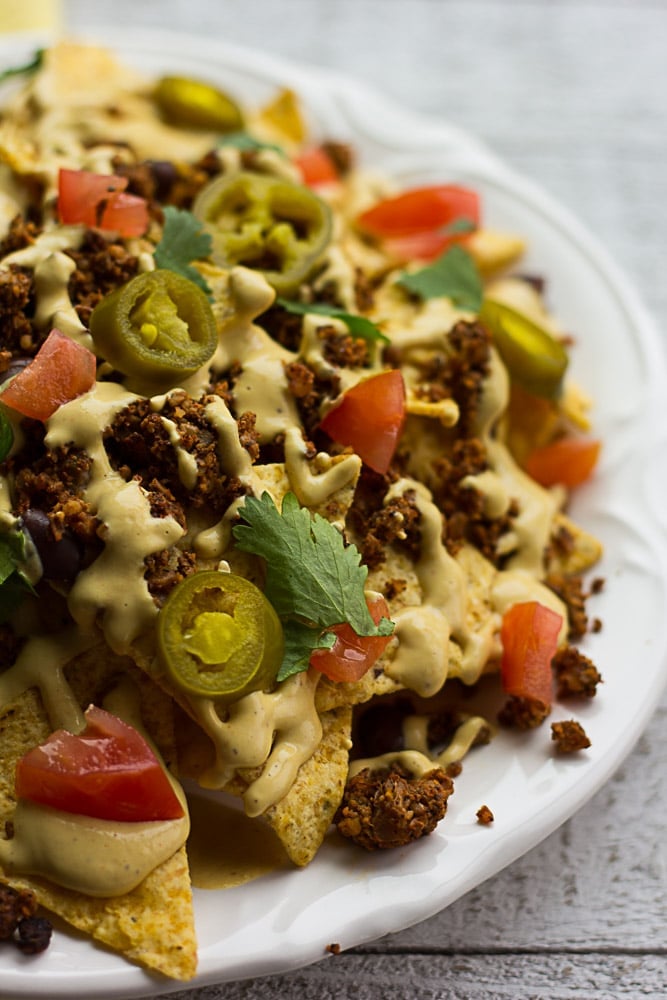
- Classic nachos: Pour over tortilla chips, then add beans, salsa, jalapeños, and guacamole.
- Burrito bowls: Drizzle on rice, beans, veggies, and salsa for extra flavor.
- Loaded fries: Swap cheese for this sauce on oven fries or tater tots.
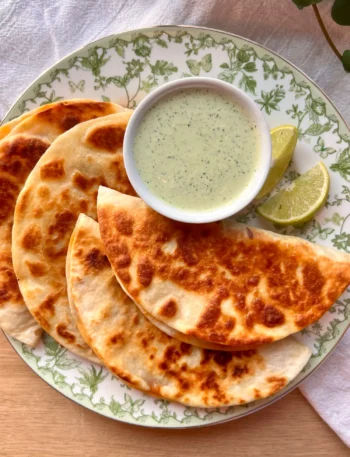
- Quesadillas: Spread inside a tortilla with beans and veggies, then grill.
- Roasted veggies: Toss with broccoli, cauliflower, or potatoes.
- Mac and cheese: Stir into cooked pasta for a fast, dairy-free mac.
- Taco night: Spoon on top of tacos or enchiladas.
- Dip: Serve with pretzels, chips, or fresh veggies.
A surprising favorite of mine is using it as a dip for steamed broccoli. Even picky kids seem to love it.
The Science Behind Creamy Vegan Cheese
You might wonder how cashews can turn into something that resembles cheese sauce. Here’s what I’ve learned:
- Cashews blend super smooth when soaked. Their natural fats make them creamy.
- Nutritional yeast is key. It’s a flaky, yellow seasoning full of B vitamins, and it tastes savory—almost like Parmesan.
- Acid (lemon juice, vinegar) adds the sharpness we expect in cheese.
- Spices like paprika, turmeric, and garlic powder layer in color and flavor.
The heating step changes the starch in cashews, thickening the sauce so it feels closer to melted cheese. If you skip it, the sauce is more like a dip.
Real-life Tips And Troubleshooting
I’ve messed this sauce up a few times and learned some tricks along the way.
Getting The Smoothest Texture
- Soak cashews long enough. If you don’t, the sauce may be gritty. Boiling is fine if you forget to soak.
- High-speed blenders work best, but any blender can do the job with patience.
- Scrape the sides often. It’s worth the extra effort.
Avoiding Common Mistakes
- Too thick? Add water or non-dairy milk, a little at a time.
- Too thin? Simmer longer on the stove or add a teaspoon of tapioca starch mixed with water.
- Bland taste? Add more salt, lemon, or nutritional yeast.
- Weird aftertaste? Check your cashews—they can go stale fast.
Serving And Reheating
When you store the sauce, it thickens a lot in the fridge. I usually add a splash of water and gently reheat on the stove or microwave, stirring until smooth.
If you’re making nachos for a party, keep the sauce warm in a small slow cooker or thermos. It stays silky for hours.
Nutrition: Is Cashew Cheese Sauce Healthy?
Compared to dairy nacho cheese, this sauce has no cholesterol, no lactose, and less saturated fat. It’s also gluten-free and soy-free.
Here’s a quick nutritional breakdown (approximate per 1/4 cup serving):
| Nutrient | Amount | % Daily Value* |
|---|---|---|
| Calories | 95 | 5% |
| Fat | 6g | 9% |
| Protein | 3g | 6% |
| Carbohydrates | 7g | 2% |
| Fiber | 1g | 4% |
| Sodium | 250mg | 10% |
| Vitamin B12 | 2mcg (from fortified nutritional yeast) | 80% |
*Percent Daily Values are based on a 2,000 calorie diet.
Non-obvious tip: If you want to boost nutrition, add a tablespoon of white miso paste or a handful of cooked white beans. Both add protein and flavor.
How To Store And Freeze Cashew Cheese Sauce
Whenever I make a batch, I almost always end up with leftovers. The sauce keeps well, but it does get thicker in the fridge.
- Refrigerate: Store in an airtight jar for up to 5 days. Stir in a splash of water when reheating.
- Freeze: Portion into small containers or ice cube trays. Thaw overnight in the fridge or microwave. The texture might get a little grainy, but a quick blend fixes it.
I’ve frozen and reheated this sauce many times. It’s a life-saver for fast meals—just zap and pour.

Areas For Improvement: Where Cashew Cheese Sauce Falls Short
No recipe is perfect. Here’s what I’ve noticed over the years:
- Nut allergies: This sauce is not safe for those with nut allergies. Sunflower seeds are a good substitute, but the flavor is different—earthier and less creamy.
- Calories: Cashews are high in fat and calories, even if it’s the healthy kind. If you’re counting calories, don’t overdo the portion size.
- Texture: If you don’t blend enough, the sauce can stay gritty. A high-powered blender really helps.
- Cost: Cashews aren’t cheap. Potato-carrot cheese is more budget-friendly, but less creamy.
Still, for most people, the flavor and texture make it worth the occasional splurge.
How To Build The Ultimate Vegan Nachos
If you want to impress friends (or just yourself), here’s how I build a plate of nachos everyone loves:
- Start with sturdy tortilla chips. Thin chips break under the sauce.
- Warm up your cashew cheese sauce so it’s creamy and pourable.
- Layer on: Black beans or pinto beans, fresh salsa, diced tomatoes, jalapeños, and a handful of chopped cilantro.
- Optional: Add vegan taco meat, roasted corn, or pickled onions.
- Top with guacamole and a few lime wedges.
If you want a melty effect, you can broil the chips and beans, then drizzle the sauce on top after. This keeps the sauce creamy, not dried out.
Environmental And Ethical Benefits
When I learned more about the dairy industry, I wanted to make choices that felt better for me and the planet. Cashew cheese sauce uses a fraction of the water and land needed for dairy cheese. It’s also free from hormones and antibiotics.
According to the Environmental Working Group, plant-based foods have a much lower carbon footprint than animal products.
Making this switch felt good—not just for my health, but for my conscience.
Common Questions From Friends About Cashew Cheese Sauce
I get asked about this recipe a lot. Here are some real questions people have thrown my way:
Is Cashew Cheese Sauce Really Cheesy?
Surprisingly, yes. The flavor is cheesy, tangy, and savory. It’s not identical to dairy cheese, but it satisfies the same craving. The combination of nutritional yeast, lemon juice, and spices is what tricks your taste buds.
Can I Make This Sauce Without A High-speed Blender?
You can, and I have! Just soak your cashews longer—overnight is best. Blend in small batches, and add extra water if needed. It might not get as silky as a Vitamix would make it, but it will still taste great.
What If I’m Allergic To Nuts?
Try using sunflower seeds. They have a similar fat content, though the flavor will be less neutral. Some people use white beans or cauliflower for a nut-free version, but the texture is different.
Can I Use This Sauce On Pizza?
Absolutely. For a more stretchy effect, blend in 2 tablespoons tapioca starch, then heat until thick. Pour over pizza crust and toppings, bake, and watch it bubble. It’s not mozzarella, but it’s super satisfying.
Does It Work For Meal Prep?
Yes! I make a double batch and use it all week—on bowls, wraps, veggies, or even as a dip for chips. It’s a great way to add flavor and protein to quick meals.
How Long Does Vegan Cashew Cheese Sauce Last In The Fridge?
It keeps well for up to 5 days if stored in an airtight container. The sauce thickens as it chills, so stir in a little water or non-dairy milk when you reheat.
Can I Freeze Cashew Cheese Sauce?
Yes, freezing works. The texture might separate a bit, but a quick blend or stir after thawing brings it back to life. Freeze in small portions for easy reheating.
Is This Sauce Gluten-free?
Yes, all the ingredients are naturally gluten-free. Just check your spices and nutritional yeast for cross-contamination if you’re highly sensitive.
What Can I Use Instead Of Nutritional Yeast?
Nutritional yeast gives the cheesy flavor, but you can try a little white miso or a spoonful of tahini for umami. The taste won’t be exactly the same, but it will still be delicious.
Why Is My Sauce Grainy?
Usually, the cashews weren’t soaked long enough or your blender isn’t strong enough. Try soaking overnight, boiling the cashews, or blending longer. Scrape down the sides and add a touch more water if needed.
—
Cashew cheese sauce honestly changed the way I think about vegan food. It’s easy, comforting, and opens up so many meal options. The simple ingredients and endless ways to tweak the flavor keep it exciting—even after years of making it.
If you’re looking to upgrade your nachos, satisfy a cheese craving, or just try something new, this recipe is worth it. And if you have questions or want more ideas, I’m always happy to help—just ask!